
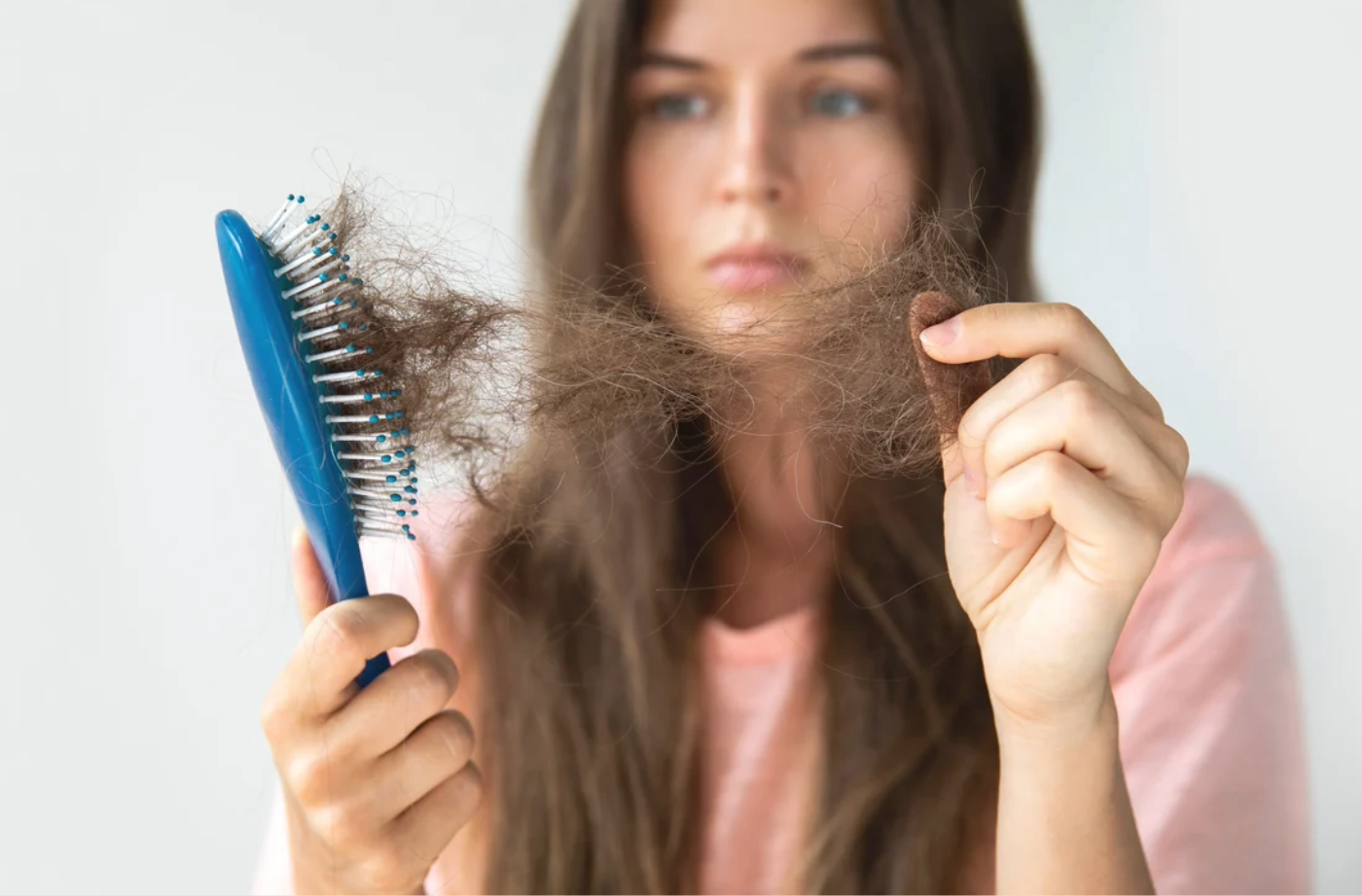
Hair fall has become one of the biggest beauty and confidence concerns for Pakistani women. Almost every woman, at some stage of her life, complains about excessive hair shedding, thinning, or weak hair growth. What makes it more stressful is that hair fall often continues even after changing shampoos or trying home remedies.
In Pakistan, studies and dermatology clinics suggest that nearly 70% of women experience noticeable hair fall, especially between the ages of 18 and 45. The reasons are not limited to genetics — they are closely connected to lifestyle, environment, health, and hair care habits.
Common Hair Problems Faced by Pakistani Women
Hair fall appears in different forms, and many women don’t realize that shedding beyond a certain limit is not normal.
Some of the most common hair concerns include:
- Excessive daily hair fall
- Hair thinning and loss of volume
- Weak hair roots and breakage
- Dry, frizzy, or lifeless hair
- Slow hair growth
These problems usually develop gradually but become severe when ignored.
Why Hair Fall Is So Common in Pakistan
1. Poor Water Quality
One of the biggest contributors to hair fall in Pakistan is hard and contaminated water. In many cities, tap water contains high levels of minerals that dry out the scalp and weaken hair roots. Over time, this leads to breakage, dandruff, and increased hair shedding.
2. Nutritional Deficiencies
Iron deficiency, low protein intake, and lack of vitamins are very common among Pakistani women. Poor diet directly affects hair health because hair follicles require nutrients to grow strong hair.
Women who skip meals, follow crash diets, or eat mostly processed food often experience increased hair fall.
3. Stress, Hormonal Changes, and Post-Pregnancy Hair Loss
Stress is a major but often ignored cause of hair fall. Emotional stress, irregular sleep, and hormonal imbalance disturb the natural hair growth cycle.
Pregnancy and postpartum hair loss are also very common. Many women panic when they see excessive hair shedding after childbirth, not realizing that it is a natural phase that still needs proper care.
4. Hijab Friction and Tight Hairstyles
Continuous friction from tight hijabs, ponytails, and buns puts pressure on hair roots. Over time, this weakens the hairline and causes thinning around the forehead and sides.
Hair Care Mistakes That Make Hair Fall Worse
Many women unknowingly worsen hair fall by:
- Washing hair too frequently or too rarely
- Using harsh shampoos with strong chemicals
- Applying excessive heat through straighteners and dryers
- Oiling incorrectly or using unsuitable oils
Changing products too often also prevents the scalp from adjusting properly.
How the Right Hair Care Products Can Help
Hair fall cannot be stopped overnight, but it can be controlled and reduced with the right approach.
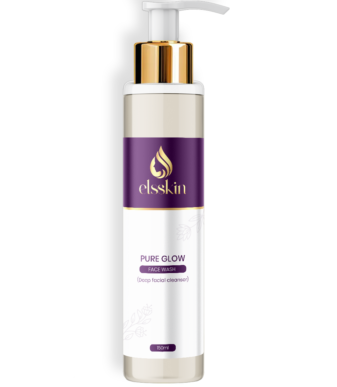
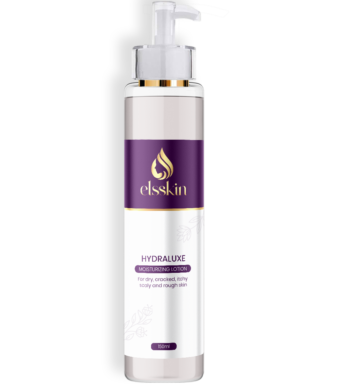
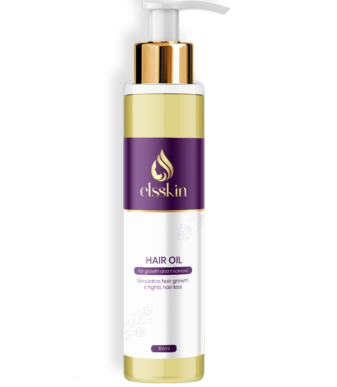
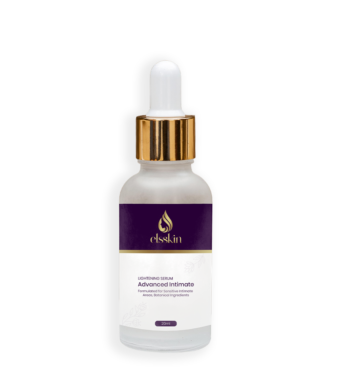
ELSSKIN hair care products are developed to support scalp health rather than only improving appearance. Healthy hair begins with a healthy scalp. When the scalp is nourished, hair growth improves naturally.
Gentle formulations help cleanse the scalp without stripping natural oils. Over time, this strengthens hair roots, reduces breakage, and improves texture.
Instead of temporary shine, ELSSKIN focuses on long-term hair strength and scalp balance, which is essential for Pakistani hair types.
Building a Healthy Hair Care Routine
A good hair care routine does not need to be complicated. The key is regular care and patience.
A balanced routine includes:
- Gentle cleansing to keep the scalp clean
- Proper nourishment to strengthen hair roots
- Avoiding unnecessary heat and tension
Consistency is more important than trying multiple remedies at once.
When to Expect Results
Hair growth is slow, and results take time. Most women start noticing reduced hair fall after 6 to 8 weeks of consistent care. New hair growth becomes visible after a few months.
Stopping treatment too early often leads to disappointment.
Final Thoughts
Hair fall among Pakistani women is common, but it is not something to ignore. Understanding the causes and choosing the right hair care routine can make a significant difference.
Instead of harsh treatments and quick fixes, focus on gentle care, healthy habits, and products that support scalp health. Strong hair grows from a healthy foundation.